Our Services
Corrosion Control & Management
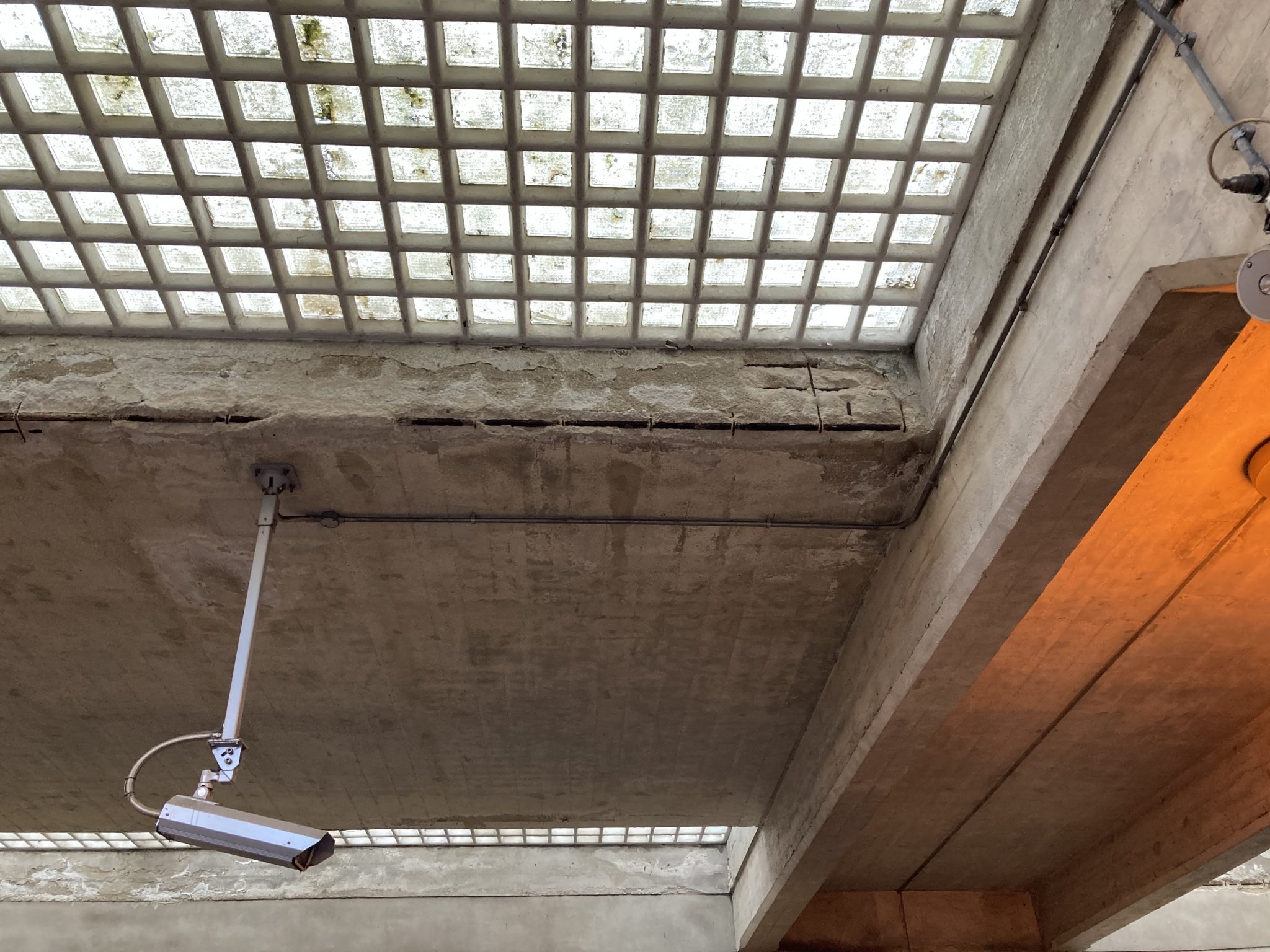
Corrosion is the gradual deterioration of a material, typically a metal, caused by a chemical or electrochemical reaction with its surrounding environment. In the context of construction, the most relevant form is the corrosion of steel, whether in reinforced concrete, wall ties or structural steelwork.
In simple terms, steel corrodes when it reacts with oxygen and moisture, forming iron oxide, commonly known as rust. Within concrete especially, this reaction is driven by carbonation, a process where carbon dioxide and moisture in the atmosphere combine to form a weak acid. Once this reaches the reinforcing steel, it gradually reduces the alkalinity of the protective passive layer that normally prevents corrosion from starting.
The presence of chlorides — such as those found in coastal environments or from de-icing salts — actively breaks down this same protective layer. This often leads to rapid, concentrated pitting corrosion and section loss in the steel reinforcement. Critically, chloride-induced corrosion does not typically produce the same expansive cracking or spalling associated with carbonation, meaning it can go visibly undetected for far longer, with serious implications for the structural integrity of reinforced concrete.
What is Corrosion Control & Management?
This is the structured, ongoing process of identifying, assessing, treating and monitoring corrosion in steel-reinforced structures, with the aim of extending their service life and avoiding unnecessary or premature repair, demolition or replacement. Rather than treating corrosion as a one-off repair event, it’s approached as a continuous lifecycle process and typically involves several stages:
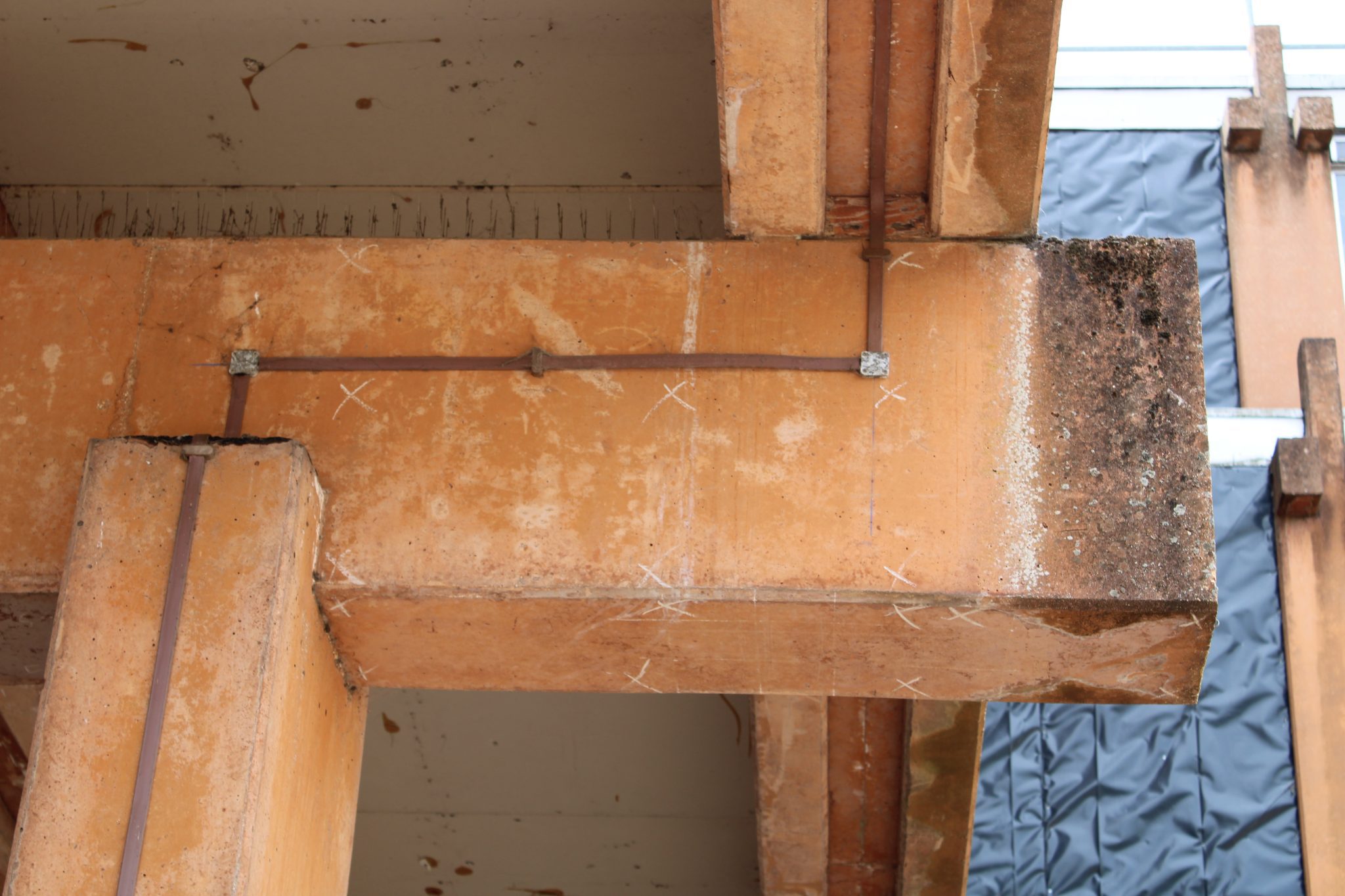
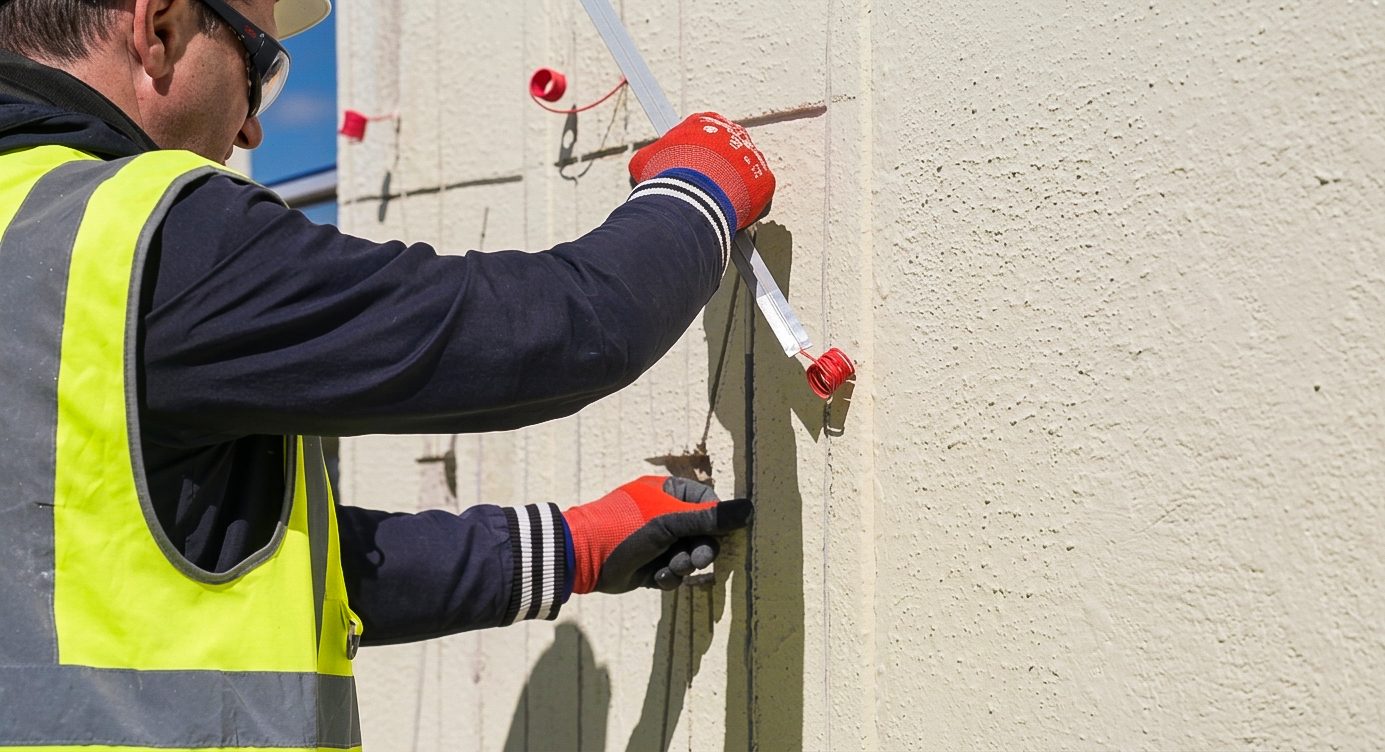
When refurbishing components of a reinforced concrete structure, there are three types of corrosion management that can be considered, based on the findings of the initial investigation and diagnosis.
It’s important to remember that when repairing concrete, only a relatively small percentage of the overall structure is actually repaired, so consideration also needs to be given to protecting the surrounding, unrepaired areas.
Preventative, active methods of corrosion control include:
Most commonly on buildings, MCIs and/or sacrificial anodes are used. In contrast, ICCP is generally reserved for larger, more technically demanding projects where the corrosion management process needs to be actively monitored and controlled, such as on highways and marine structures.

Need some assistance with Corrosion Control on your next project? Get in touch to find out how
we can help.
Click here to see more External Refurbishment Services
Third-Party Accreditations
Whether repairing an existing distressed structure or delivering remedial works on a poorly constructed new one, finding a trusted partner with the right accreditations who will deliver to the correct design and specification is essential. At Gunite External Refurbishment, our clients benefit from more than 35 years of knowledge and experience in delivering innovative, tailored and cost-effective structural repair solutions, backed by a comprehensive range of industry accreditations that ensure full compliance with current standards and requirements.